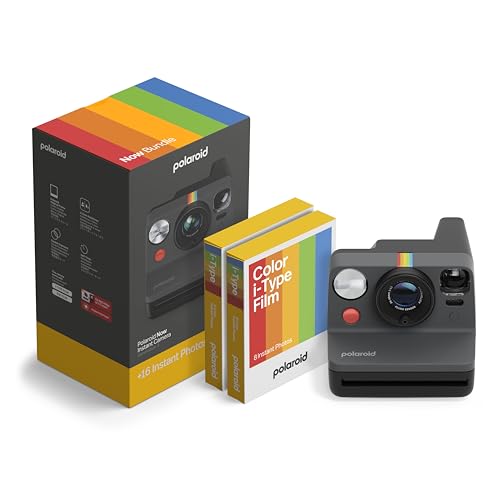
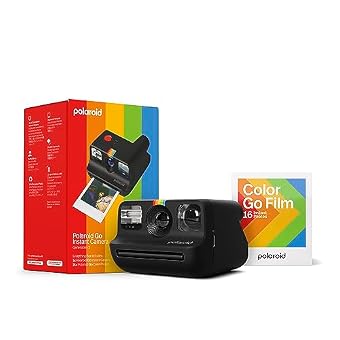

As Amazon Associates, we earn from qualifying purchases. This means we may receive a small commission at no extra cost to you if you click through and make a purchase.
Polaroid has anchored analog instant photography for generations, maintaining an iconic chemical aesthetic defined by square frames, deliberate mechanical operation, and tangible physical prints. For adult photographers and discerning enthusiasts, modern Polaroid hardware represents a dedicated return to physical photographic discipline, where shutter timing, ambient lighting, and chemical development demand calculated technique rather than digital trial and error. The current lineup balances heritage chemical processes with modern convenience, incorporating rechargeable internal power cells, automatic exposure systems, and precision shutter mechanisms designed to deliver consistent results across varying environments.
Across the core catalog, these cameras diverge sharply between full-format studio-style shooting and miniature pocketable portability: the flagship Now platform uses classic full-sized film with an active twin-lens autofocus array, whereas the ultra-compact Go line prioritizes miniature dimensions and pocket travel using dedicated mini-format chemical packs. Choosing the right polaroid camera for adult use requires weighing the optical fidelity and expansive print area of traditional square-format chemistry against the everyday portability and rapid handling of the scaled-down Go chassis.
Polaroid Instant Cameras Compared
| Model | Film Compatibility | Optical & Focus System | Shutter Speed Range | Power & Battery Life |
|---|---|---|---|---|
| Polaroid Now 3rd Generation I-Type Instant | Polaroid i-Type & 600 Film | Twin-lens autofocusing system with ranging sensor | 1/60 seconds | USB-C rechargeable (over 15 film packs) |
| Polaroid Go Generation 3 | Polaroid Go Film only | Fresh lens design with built-in selfie mirror | Not listed | Built-in rechargeable (specs not listed) |
| Polaroid Go Generation 2 | Polaroid Go Film only | Large aperture range with precise light sensor | 1/300 – 1 seconds | USB-C rechargeable (15 film packs per charge) |
Polaroid Now 3rd Generation I-Type Instant for Studio-Grade Analog Control
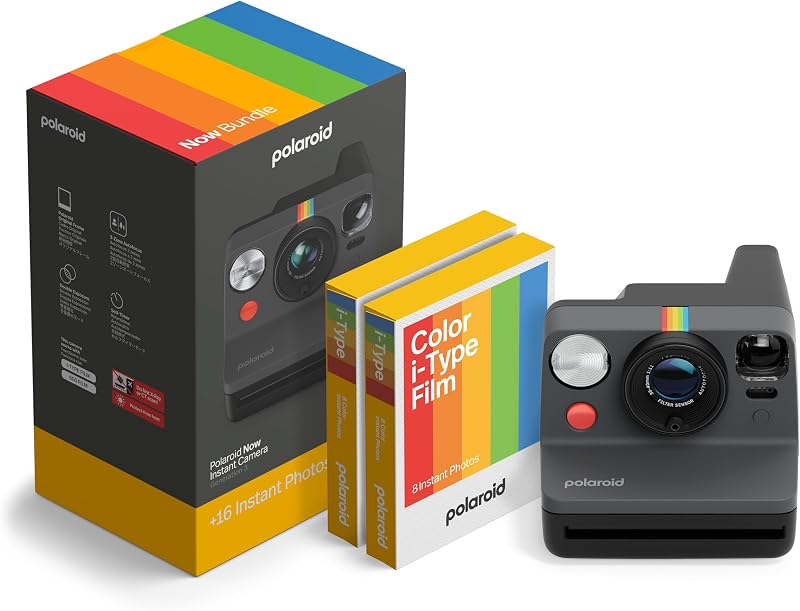
Best for: Adults wanting classic full-sized analog prints
Pros
- Twin-lens autofocus
- Shoots i-Type and 600 film
- USB-C rechargeable battery
- Built-in tripod mount
Cons
- Fixed 1/60s shutter speed
- Bulky for pocket carry
The Polaroid Now 3rd Generation I-Type Instant serves as the brand’s primary full-size analog camera, constructed to merge traditional chemical development with modern automated focusing. Housing a specialized twin-lens autofocusing system, the hardware actively determines subject distance using an integrated ranging sensor, mechanically switching between dedicated portrait and landscape lenses to optimize image sharpness without requiring manual barrel adjustments. Paired with an upgraded light meter position that refines scene exposure in bright ambient lighting, this generation addresses the optical inconsistencies common to fixed-focus analog cameras. For adults seeking the authentic feel of an original polaroid camera, the Now provides full-frame instant prints that capture rich tonal depth and the signature square border aesthetic.
Mechanically, the chassis is built from future-friendly materials while retaining classic external proportions, an optical viewfinder, and a standard built-in tripod mount that stabilizes exposures during technical shooting sessions. The camera operates with both modern battery-free i-Type film packs and legacy Polaroid 600 film cartridges, granting users access to varied chemical emulsion styles. Shutter actuation is governed by an automatic exposure control system operating at a maximum shutter speed of 1/60 seconds, which prioritizes light intake for indoor and low-light compositions while relying on its powerful internal flash to freeze foreground subjects. Creative control is expanded through built-in double-exposure modes and an electronic self-timer, alongside photo filter compatibility that accommodates external lens attachments for experimental lighting work.
Power delivery is managed via an internal USB-C rechargeable battery rated to process over 15 film packs on a single charge, removing the recurring cost and environmental footprint of disposable cells. This camera directly suits serious hobbyists, portrait photographers, and adults who value expansive print sizes, deliberate composition, and the optical benefits of a physical two-lens focusing module. However, its substantial physical footprint and 1/60-second shutter ceiling mean it yields to the more compact Go platform when extreme portability, pocket carry, or rapid outdoor action capture are paramount.
Polaroid Go Generation 3 for Ultra-Compact Everyday Documentation

Best for: Methodical photographers wanting pocket-sized shutter control
Pros
- 1/300 to 1s shutter range
- USB-C 15-pack battery life
- Precise ambient light sensor
- Made with 30% recycled materials
Cons
- Limited to miniature Go film
- Fixed lens without autofocus

Best for: Everyday pocket carry and casual travel documentation
Pros
- Ultra-compact wearable body
- Stronger flash with less glare
- Integrated selfie mirror
- Double-exposure mode
Cons
- Only compatible with Go film
- Shutter speed range not listed
Built as Polaroid’s smallest instant analog camera body, the Polaroid Go Generation 3 delivers an ultra-portable form factor measuring just 4.13 by 3.31 by 2.44 inches. This miniature footprint makes the device fully wearable and easy to pack into everyday bags, detours, and travel kits without the bulk associated with full-size instant equipment. Designed specifically for casual adult creators who prioritize spontaneous capture, the Generation 3 introduces a fresh lens configuration paired with a stronger built-in flash, engineered to improve optical clarity across diverse lighting conditions and deliver more zoomed-in selfies with minimized surface glare.
The camera relies exclusively on miniature Polaroid Go Film, producing pocket-sized physical prints designed to slide neatly into wallets, journals, or clear phone cases. Full-sized i-Type and 600 film packs are strictly incompatible with this chassis, establishing a clear operational boundary between mini-format snapshotting and full-frame studio work. Exposure is fully automatic, supported by a front-facing selfie mirror integrated directly into the body to eliminate parallax framing errors during handheld self-portraits. Despite its minimalist profile, the camera incorporates an electronic self-timer and a creative double-exposure shooting mode, allowing users to superimpose two exposures onto a single physical frame.
In terms of hardware specifications, the listing does not specify the precise shutter speed range, battery capacity, or port type for this third-generation release, though it confirms a built-in flash and timer within its light blue chassis. The Go Generation 3 is the ideal solution for adult travelers and social photographers who demand an ultra-lightweight analog tool for quick personal mementos. Conversely, users who require documented shutter ranges, known USB-C charging specifications, or the broad tonal area of standard square-format prints should look toward the Go Generation 2 or the full-size Now platform.
Polaroid Go Generation 2 for Documented Pocket Precision
The Polaroid Go Generation 2 represents an engineered refinement of the ultra-compact instant format, pairing miniature pocketability with verified hardware tolerances. Built using 30 percent recycled materials, this camera measures among Polaroid’s smallest instant camera designs, built to travel comfortably in totes, pockets, and backpacks. Where it distinguishes itself within the small polaroid camera segment is through its technical imaging array, which features a wide aperture range, an on-point exposure system, and a precise ambient light sensor configured to balance highlight retention and shadow detail.
From a mechanical standpoint, the Go Generation 2 provides an exceptional shutter speed spectrum ranging from 1/300 of a second down to a full 1-second exposure time. This dynamic shutter range grants the camera greater technical flexibility when shifting between bright outdoor daylight and dimly lit ambient interiors compared to cameras with fixed shutter intervals. The camera is powered by an internal USB-C rechargeable battery engineered to expose up to 15 film packs on a complete charge cycle. Composition is handled through an optical viewfinder that doubles as a reflective selfie mirror, while internal electronics support double-exposure layering and self-timer capture. Additionally, the lens assembly can be paired with teeny tiny custom color filters for stylized color grading.
Like its third-generation sibling, the Go Generation 2 shoots exclusively on pocketable Polaroid Go film, precluding the use of full-sized i-Type or vintage 600 cartridges. This model suits methodical adult photographers who appreciate verified mechanical metrics—specifically documented shutter latitude and explicit USB-C battery endurance—within a miniature body. It yields to the Polaroid Now when large-format prints, optical autofocus, and tripod-based studio setups are required, but remains a benchmark for technical predictability in pocket-sized analog photography.
How to Choose the Right Polaroid Instant Camera
Selecting the best polaroid camera for adults requires balancing physical print dimensions against hardware portability, mechanical exposure latitude, and long-term operating practicalities. The fundamental decision begins with the chemistry format: comparing polaroid i-type vs polaroid go systems. The Polaroid Now utilizes standard i-Type and vintage 600 film packs, producing expansive square prints that showcase fine texture, broad chemical gradients, and classic white borders. Understanding the technical nuances of polaroid camera film helps contextualize why full-sized chemistry is favored for display pieces, wall galleries, and formal portraiture, whereas the miniature Go chemistry produces wallet-sized prints engineered for quick keepsakes and everyday visual journaling.
Optical and focusing systems form the next critical criterion in any polaroid instant camera comparison. The Polaroid Now 3rd Generation I-Type Instant stands apart with its dual-lens autofocusing mechanism and integrated ranging sensor, which actively selects between portrait and landscape optics to preserve sharpness across varying subject distances. In contrast, the Go Generation 2 and Generation 3 employ compact lenses tailored for fixed-distance snapshotting and handheld arm’s-length portraits. While the Go Generation 3 features an updated fresh lens and stronger flash to mitigate glare, the Go Generation 2 relies on an expansive aperture range and precise light sensor to manage optical intake. Adults prioritizing critical edge sharpness and subject isolation should favor the autofocusing Now, while those prioritizing quick, point-and-shoot operation will appreciate the Go platform.
Exposure control and shutter speed capabilities directly determine how well an instant camera handles challenging lighting. The Polaroid Now operates with a maximum shutter speed of 1/60 seconds, making steady handling or tripod mounting essential in low ambient light to prevent camera shake. Conversely, the Polaroid Go Generation 2 explicitly specifies a wide shutter envelope from 1/300 second down to 1 second, providing substantial latitude to freeze outdoor daylight action or hold the shutter open for ambient evening captures. The Go Generation 3 relies on an automatic exposure system paired with an upgraded flash to illuminate underexposed scenes, though its exact shutter boundaries are not listed in the manufacturer data.
Long-term polaroid instant camera reliability depends heavily on power management and mechanical durability. Both the Polaroid Now 3rd Generation and the Polaroid Go Generation 2 feature modern USB-C rechargeable internal power systems capable of shooting 15 or more film packs per charge cycle, eliminating the waste and ongoing expense of single-use alkaline batteries. The Go Generation 3 confirms rechargeable operation, though specific charging port types and pack counts are not detailed in its listing. Furthermore, chassis materials reflect distinct use cases: the Now incorporates future-friendly plastics alongside a built-in tripod mount for structured shooting, while the Go cameras emphasize wearable, lightweight portability with pocket-friendly dimensions and drop-in bag readiness.
Ultimately, deciding which polaroid instant camera to buy hinges on your primary photographic environment. If your work centers on deliberate portraiture, landscape studies, and classic full-frame display prints where optical autofocus and tripod integration add tangible value, the Polaroid Now 3rd Generation is the superior choice. If your priority is a pocketable, everyday carry camera with documented shutter versatility and USB-C reliability, the Polaroid Go Generation 2 delivers unmatched mechanical control. For casual adult travelers seeking the freshest flash technology and maximum ease of use for social gatherings and phone-case keepsakes, the Polaroid Go Generation 3 offers the most streamlined, portable experience.
FAQ
Can the Polaroid Go cameras use standard i-Type or Polaroid 600 film?
No. Both the Polaroid Go Generation 2 and Polaroid Go Generation 3 are engineered strictly for miniature Polaroid Go Film. Full-sized Polaroid i-Type and vintage 600 film cartridges are physically too large to fit inside the Go camera chassis and cannot be used under any circumstances. If you wish to shoot full-sized square prints, the Polaroid Now 3rd Generation I-Type Instant is the model that supports both i-Type and 600 formats.
What makes a polaroid camera for adult users different from toy instant cameras?
Adult-focused analog cameras like the Polaroid Now and Polaroid Go series prioritize precise exposure automation, durable rechargeable power systems, and specialized optical engineering over novelty styling. Features such as the Now’s twin-lens autofocus with ranging sensors, the Go Generation 2’s broad 1/300 to 1-second shutter range, built-in tripod mounting, and creative double-exposure modes offer adult photographers technical control over physical chemistry that basic toy cameras cannot replicate.
How does the twin-lens autofocus system work on the Polaroid Now Generation 3?
The Polaroid Now Generation 3 features an automated twin-lens optical system linked to an onboard ranging sensor. When you depress the shutter button, the camera calculates the distance to your subject and mechanically engages either the close-up portrait lens or the standard distance landscape lens. This automated selection removes guesswork and ensures sharp focal convergence without requiring the photographer to manually twist or swap lens elements.
How do the Polaroid Go Generation 2 and Generation 3 differ mechanically?
While both cameras share the same miniature form factor and compatibility with Polaroid Go Film, their listed hardware details highlight distinct engineering focuses. The Go Generation 2 explicitly documents an expansive shutter speed range of 1/300 to 1 second, a precise light sensor, a large aperture range, 30 percent recycled material construction, and USB-C recharging rated for 15 packs. The Go Generation 3 emphasizes an updated fresh lens configuration, a stronger built-in flash designed to reduce glare and improve selfies, and new body color options, though its listing does not specify exact shutter speeds or charging port specifications.
How reliable are the rechargeable batteries on modern Polaroid cameras?
Modern Polaroid hardware has transitioned away from the disposable batteries historically embedded in film cartridges. The Polaroid Now Generation 3 and Polaroid Go Generation 2 feature integrated USB-C rechargeable batteries engineered to last through 15 or more film packs on a single charge. This internal power design ensures consistent roller motor drive during film ejection, maintains stable flash capacitor charging, and reduces environmental waste over long-term ownership.


