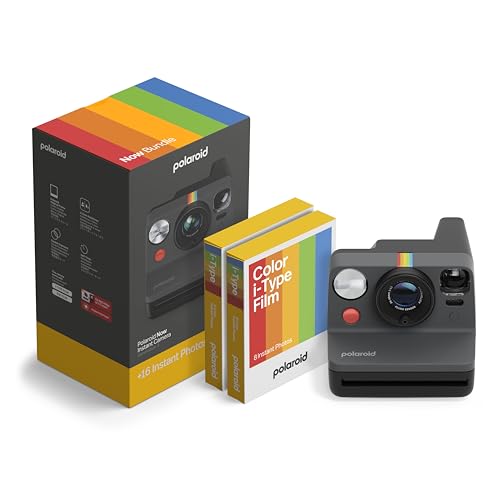

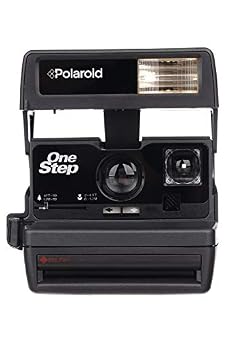

As Amazon Associates, we earn from qualifying purchases. This means we may receive a small commission at no extra cost to you if you click through and make a purchase.
Polaroid established the instant photography category by pairing chemical self-developing print paper with mechanical camera bodies, providing photographers an immediate tangible print within minutes of tripping the shutter. For decades, the original polaroid camera format defined snapshot photography, relying on internal spread rollers, motorized cycle gears, and optical viewfinders to manage the photochemical process automatically. Modern shoppers seeking an original polaroid camera format must decide between renewed vintage 600-series hardware and modern 3rd Generation i-Type cameras. Each configuration carries distinct trade-offs regarding mechanical wear, optical focusing mechanisms, power management, and long-term operating costs.
While vintage options like the Polaroid Supercolor 635 and Polaroid One-Step 600 depend entirely on fresh batteries sealed inside each film cartridge to drive their motors, contemporary options such as the Polaroid Now 3rd Generation and Polaroid Now+ 3rd Generation integrate internal USB-C rechargeable batteries and dual-lens autofocus systems to eliminate dependence on battery-embedded film packs.
Polaroid Instant Cameras Compared
| Model | Film Compatibility | Power Source | Focusing System | Exposure Modes |
|---|---|---|---|---|
| Polaroid Now 3rd Generation | Polaroid i-Type, Polaroid 600 | Built-in USB-C rechargeable battery | Two-lens autofocus with ranging sensor | Automatic exposure, double-exposure, self-timer |
| Polaroid Supercolor 635 | Polaroid 600 | Integrated film-pack battery | Fixed-focus lens | Manual-and-automatic slider |
| Polaroid One-Step 600 | Polaroid 600 | Integrated film-pack battery | Focus-free with sliding close-up lens | Automatic exposure |
| Polaroid Now+ 3rd Generation | Polaroid i-Type, Polaroid 600 | Built-in USB-C rechargeable battery | Upgraded two-lens autofocus | Aperture priority, manual mode via Bluetooth app |
Polaroid Now 3rd Generation I-Type Instant for Everyday Analog Shooting
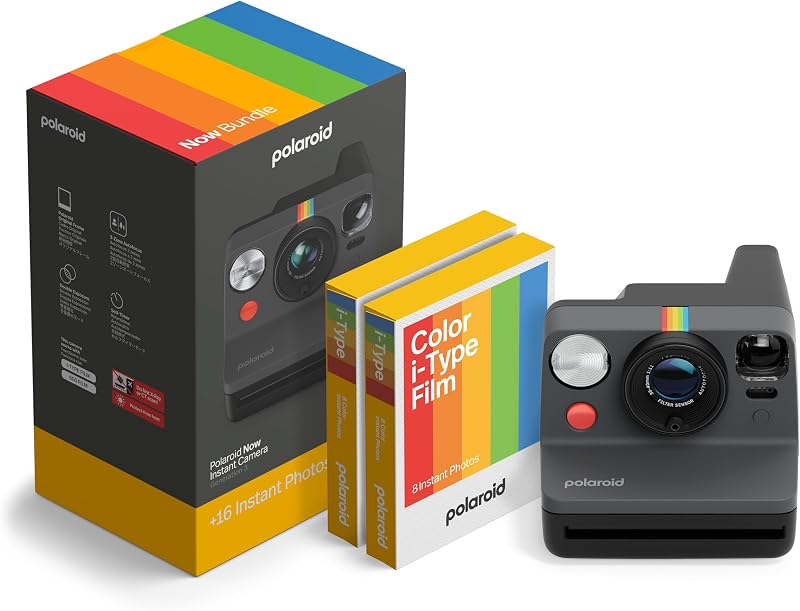
Best for: Everyday analog photographers wanting modern convenience
Pros
- Dual-lens autofocus system
- Rechargeable USB-C internal battery
- Shoots both i-Type and 600 film
- Built-in tripod mount
Cons
- Non-removable internal battery
- Limited 1/60s maximum shutter
The Polaroid Now 3rd Generation I-Type Instant represents the core modern baseline for instant photography, engineered to balance point-and-shoot operation with contemporary electronic reliability. Unlike vintage bodies that require dedicated battery-equipped film cartridges, this model utilizes an internal USB-C rechargeable battery capable of lasting for over 15 film packs on a single charge. By shifting power delivery away from the cartridge, it supports both modern battery-free i-Type film and traditional 600 film. For photographers researching an in-depth polaroid camera film assessment, this dual compatibility offers critical flexibility if supply shortages affect a specific cartridge line.
From an optical and mechanical perspective, the Polaroid Now 3rd Generation incorporates an upgraded light meter position, a distance-ranging sensor, and a twin-lens autofocus system. Rather than forcing you to estimate focal distance or fiddle with auxiliary slide-on elements, the camera evaluates subject distance and automatically switches between portrait and landscape lenses. This reduces out-of-focus waste, which is a major financial consideration given the fixed cost per exposure in analog photography. The maximum shutter speed is rated at 1/60 of a second, with exposure managed via an automatic metering protocol tuned specifically for bright lighting scenarios. Hardware features also include a built-in tripod mount, photo filter compatibility, and integrated controls for creative double exposures and self-timer capture.
From a consumer advocacy and reliability perspective, the Polaroid Now Gen 3 eliminates several historical failure points seen in aging equipment, such as oxidized battery contacts in the film bay and worn physical gear trains. However, buyers should recognize that the internal rechargeable lithium cell is not user-replaceable. If stored uncharged for extended periods, the battery can suffer capacity fade, eventually turning the body into a service liability once the cell stops holding a charge. This model suits casual shooters and everyday documentarians who want reliable automatic focus, dependable fill flash, and the lower cost-per-pack of i-Type film without managing vintage mechanical uncertainties.
Polaroid Supercolor 635 Instant Camera for Retro 1980s Styling

Best for: Vintage collectors and 1980s retro enthusiasts
Pros
- Authentic vintage 1980s design
- Fresh battery in every film pack
- Built-in automatic flash
Cons
- Fixed-focus lens lacks close-up versatility
- Cannot shoot battery-free i-Type film
The Polaroid Supercolor 635 Instant Camera is an authentic 1980s vintage 600-series model delivered through renewal channels where each unit is cleaned, mechanically inspected, and tested for functional integrity. Featuring the iconic angular box chassis and fold-down protective cover characteristic of the late twentieth-century analog era, this camera provides an authentic tactile shooting experience. In this vintage configuration, original polaroid film compatibility is restricted strictly to Polaroid 600 film, because the camera lacks an internal power source and relies completely on the slim chemical battery built directly into every 600-series cartridge. Buyers exploring a vintage polaroid flip instant camera layout will appreciate the satisfying mechanical snap of its hinged housing, which protects the optics and disengages the electronics when closed.
Mechanically, the Supercolor 635 keeps operation straightforward through a fixed-focus single-lens design paired with a built-in automatic flash system. To adjust exposure in challenging lighting, it includes a front-mounted manual exposure control slider that alters internal aperture or metering bias toward lighter or darker outputs. Because the lens is fixed-focus, subjects must remain at a moderate distance to prevent soft, blurred captures, as the optical path does not adjust for extreme close-up work. The optical viewfinder offers a direct line of sight for framing, while the motorized high-torque spread rollers press developer pods evenly across the light-sensitive print during automatic motor ejection.
Evaluating vintage polaroid reliability requires understanding the realities of decades-old electronics and mechanical switches. While refurbished units have undergone testing to guarantee operation upon arrival, aging componentry—such as flash charging capacitors, mirror return springs, and plastic drive gears—inevitably carries higher variance than factory-new hardware. On the positive side, because power comes exclusively from the film pack, you will never face a permanently dead internal battery; every fresh pack restores full electrical potential. This camera is best suited for collectors, retro enthusiasts, and analog purists who prioritize authentic 1980s industrial aesthetics, physical exposure sliders, and the nostalgic charm of classic mechanical operation over modern autofocus automation.
Polaroid One-Step 600 Instant Camera for Simple Point-and-Shoot Vintage Photography

Best for: Beginners seeking simple point-and-shoot vintage shooting
Pros
- Selectable sliding close-up lens
- Durable all-mechanical vintage chassis
- Simple focus-free snapshot operation
Cons
- Requires pricier 600 film packs
- No manual shutter control
The Polaroid One-Step 600 Instant Camera is a quintessential point-and-shoot classic designed for effortless analog snapshot capture without technical setup. Built with a durable molded black chassis and the traditional fold-down flash guard, this model requires standard Polaroid 600 format film to operate. Like its vintage siblings, the camera uses the integrated battery embedded inside the film cassette to power its shutter mechanism, flash recharge cycle, and motor-driven chemical ejection rollers. For buyers seeking a straightforward polaroid camera for adult learners or vintage fans who want authentic square-format chemistry, this model offers instantaneous feedback without complicated menus or digital pairing steps.
Technically, the Polaroid One-Step 600 features focus-free operation optimized for general distances alongside a selectable close-up lens that slides into the optical path for subjects between 2 and 4 feet away. This secondary sliding element physically adjusts the focal plane, allowing clear portraits without requiring electronic autofocus sensors. The built-in automatic flash operates within an effective range of 2 to 10 feet, balancing foreground subjects against dimmer ambient environments. The shutter operates at a fixed maximum speed of 1/60 of a second with automatic exposure metering, while an integrated optical viewfinder provides straightforward framing. The listing data also notes a 1.5-inch screen specification, though user control remains strictly analog through mechanical triggers and lens levers.
From a hardware longevity perspective, the One-Step 600 is one of the sturdiest vintage designs ever produced, featuring fewer delicate electronic sub-assemblies than modern Bluetooth-equipped models. Its sliding close-up optic is entirely mechanical, meaning it cannot suffer from sensor desynchronization or firmware glitches. Nevertheless, potential buyers must monitor roller cleanliness, as residual chemical paste from developer pods can accumulate on the steel rollers over time and cause repetitive image artifacts. It gives way to modern models like the Polaroid Now when shoppers demand rechargeable convenience and i-Type film economy, but it stands as an outstanding pick for purists who want simple, focus-free vintage operation with built-in close-up versatility.
Polaroid Now+ 3rd Generation I-Type Instant for Creative Mobile App Control

Best for: Creative photographers wanting mobile app manual controls
Pros
- Full manual control via Bluetooth app
- Fast 1/500s maximum shutter speed
- Dual-lens autofocus system
- Rechargeable USB-C internal battery
Cons
- Requires smartphone for advanced settings
- Non-removable internal battery
The Polaroid Now+ 3rd Generation I-Type Instant serves as the advanced flagship in Polaroid’s contemporary lineup, integrating classical analog print chemistry with comprehensive digital controls via mobile connectivity. Finished in white and constructed from modern, future-friendly materials, this camera connects directly via Bluetooth to the companion Polaroid mobile app. Like the standard Now model, it features an internal USB-C rechargeable battery rated for more than 15 film packs, freeing shooters from the expense and disposal concerns of battery-embedded cartridges. It accepts both modern i-Type cartridges and traditional 600-series film packs, establishing versatile supply options for studio work or casual travel. Those interested in a compact companion might also explore a small polaroid camera setup for pockets, but the Now+ remains focused on delivering full-size square frames.
Where the Now+ distinctively departs from other Polaroid bodies is its extensive creative toolset. Through the Bluetooth connection, users unlock manual exposure controls, aperture priority mode, remote shutter triggering, light painting, and extended exposures. Optical performance is anchored by an upgraded two-lens autofocus system that measures subject distance and selects the appropriate optical element dynamically. Shutter capabilities are notably expanded, delivering a maximum shutter speed of 1/500 of a second—significantly faster than the 1/60-second limit of basic models—which permits crisper freezing of moving subjects in bright outdoor conditions. The hardware package also includes native tripod threading, photo filter compatibility, double-exposure capability, and a precision self-timer.
From a durability and buyer-advocate standpoint, the Now+ delivers the widest technical ceiling in the brand’s catalog, but that complexity introduces distinct operational dependencies. If you prefer to shoot entirely off-grid without interacting with a smartphone, many of the advanced features—such as aperture priority and manual shutter speeds—remain inaccessible from the onboard buttons alone. Additionally, like the standard Now Gen 3, the non-removable internal lithium cell requires routine charging cycles to avoid permanent cell death over years of storage. The Polaroid Now+ 3rd Generation is the best original polaroid camera choice for creative hobbyists, studio experimenters, and photo enthusiasts who want full photographic control over their instant images while retaining authentic analog chemistry.
How to Choose the Right Polaroid Instant Camera
Selecting which polaroid instant camera to buy requires balancing nostalgic mechanical authenticity against practical long-term operating costs and electronic convenience. The current market presents a stark divide between renewed vintage bodies built in the 1980s and contemporary 3rd Generation bodies engineered for modern workflows. Before committing to a specific body, evaluate these core criteria to protect your investment and avoid unexpected operational roadblocks.
- Power Architecture and Battery Maintenance: Vintage models such as the Polaroid Supercolor 635 and Polaroid One-Step 600 contain no internal rechargeable cells; their motors, internal electronics, and flashes are powered entirely by a flat battery sealed inside every individual Polaroid 600 film cartridge. This guarantees that fresh electrical power is installed with every pack, eliminating battery degradation in stored cameras. Conversely, the Polaroid Now 3rd Generation and Polaroid Now+ 3rd Generation use built-in USB-C rechargeable batteries rated to process over 15 packs per charge. While rechargeable power is convenient and eco-friendly, an unserviced lithium battery left flat in storage can permanently fail, requiring unit replacement or professional repair.
- Film Format Economics and Compatibility: Original polaroid film compatibility forms the single largest ongoing expense in instant photography. Modern 3rd Generation bodies shoot both i-Type and 600 film, giving you complete freedom to purchase whichever stock is available. Because i-Type film packs do not contain a built-in battery, they are generally less expensive per shot than 600-series packs. Vintage cameras cannot expose or eject i-Type film because they lack the motor power to run without an active cartridge battery. If you shoot high volumes, a modern i-Type camera saves meaningful expense over several dozen packs.
- Optical Systems and Focusing Flexibility: If you demand sharp portraits without measuring exact distances, autofocus capabilities make a substantial difference. The Polaroid Now and Now+ 3rd Generation feature dual-lens autofocus systems that automatically toggle between standard and close-up optics based on sensor feedback. In contrast, the vintage Polaroid Supercolor 635 relies on a fixed-focus lens that requires subjects to stand several feet away, while the One-Step 600 utilizes a manual sliding close-up lens for distances between 2 and 4 feet. Casual shooters who dislike manual focal switches will find modern autofocus far more forgiving.
- Exposure Control and Creative Ambition: Basic snapshot photography requires little more than an automatic shutter and built-in flash, both of which are present across all four models. However, if your creative goals include shallow depth of field, long night exposures, or precision shutter adjustments, the Polaroid Now+ stands alone with its 1/500s maximum shutter speed, aperture priority, and Bluetooth app connectivity. If you prefer pure analog simplicity without smartphone reliance, the standard Polaroid Now or vintage One-Step 600 eliminates digital distraction entirely.
FAQ
Can vintage Polaroid cameras shoot modern i-Type film?
No, vintage models such as the Polaroid Supercolor 635 and Polaroid One-Step 600 cannot use i-Type film. While the physical print dimensions and chemistry are identical, i-Type cartridges do not include the integrated flat battery necessary to operate the vintage camera’s motor, shutter, and flash. Attempting to insert an i-Type pack into a vintage 600-series camera will result in no power delivery, preventing the camera from firing or ejecting prints. To shoot with vintage cameras, you must strictly purchase Polaroid 600 film packs that house their own built-in batteries.
How does vintage polaroid reliability compare to modern 3rd Generation cameras?
Vintage polaroid reliability centers on mechanical durability versus aging componentry. Vintage bodies like the One-Step 600 were constructed with heavy-duty plastics, robust mechanical gear trains, and direct physical switches, avoiding complex microcontrollers and wireless chips. However, because these cameras are decades old, refurbished units may face component fatigue over time, particularly in flash capacitors and roller spring assemblies. Modern 3rd Generation models offer factory-fresh electronic reliability, updated light meters, and twin-lens autofocus, but they introduce long-term failure points like non-removable rechargeable lithium batteries and Bluetooth dependencies.
What are the maintenance requirements for Polaroid film rollers?
Regardless of whether you shoot with a modern Polaroid Now or a vintage Supercolor 635, the steel developer rollers require regular cleaning. Every time a print is ejected, these rollers squeeze the chemical developer pods across the print surface under high pressure. Over time, residual chemical paste can leak onto the roller steel, drying into hard deposits that cause repeating blank spots or physical blemishes across subsequent photos. To maintain your camera, open the film compartment door regularly and wipe both rollers with a clean cloth dampened slightly with warm distilled water, spinning them manually to clear all residue.
How many packs can the modern Polaroid Now battery handle between charges?
Both the Polaroid Now 3rd Generation and Polaroid Now+ 3rd Generation are equipped with an internal USB-C rechargeable battery designed to power through more than 15 film packs on a complete charge. This provides substantial shooting longevity, allowing you to take over 120 exposures before needing a recharge. To maximize the lifespan of the internal battery, avoid leaving the camera completely discharged in cold or hot environments for long stretches of time, as lithium cells can suffer irreversible capacity loss when left depleted.
Which polaroid instant camera to buy for manual exposure settings?
For photographers seeking deliberate creative control, the Polaroid Now+ 3rd Generation is the only model among these options that offers manual shutter and aperture selection. By linking the camera to the companion Polaroid mobile app via Bluetooth, shooters gain access to manual mode, aperture priority, light painting, and extended bulb exposures, along with a high maximum shutter speed of 1/500 of a second. Vintage models and the standard Polaroid Now operate almost entirely on automatic metering, offering only basic lighten/darken sliders or standard auto-exposure limits.


